Parents today have more educational choices than ever before. Instead of automatically choosing conventional preschool systems, many families now explore alternative approaches that focus on creativity, independence, emotional development, or personalized learning. This growing interest has pushed early childhood education into a major discussion among parents, educators, and child development experts.
The early years of learning shape how children communicate, solve problems, build confidence, and respond to challenges later in life. Because of this, selecting the right educational environment is no longer viewed as a simple preschool decision. It is now considered a long-term developmental choice.
Among the most discussed early learning models are Montessori, Waldorf, and traditional education systems. Each follows a different philosophy about how children learn best. Some prioritize structure and academic preparation, while others focus on creativity, exploration, or child-led growth.
Understanding the differences between these models helps parents make more informed decisions based on their child’s personality, learning style, and emotional needs.
Understanding the Purpose of Early Learning Models
Early childhood education is not only about teaching letters and numbers. Strong early learning models are designed to support emotional growth, social interaction, communication skills, creativity, and cognitive development at the same time.
Different educational systems approach these goals differently. Some believe children thrive through independence and self-direction. Others believe structured routines create stronger academic foundations. Some place emotional and creative development above early academic pressure.
These differences influence everything from classroom design to teacher behavior, daily schedules, and assessment methods.
The best educational environment often depends on the child rather than the popularity of the teaching method itself.
The Montessori Approach to Early Learning
Montessori education was developed around the belief that children learn best when given independence within a structured environment. Instead of directing every activity, teachers guide children toward self-discovery and hands-on learning experiences.
In Montessori classrooms, children typically choose activities based on their interests while working at their own pace. The environment is carefully organized to encourage concentration, responsibility, and independent thinking.
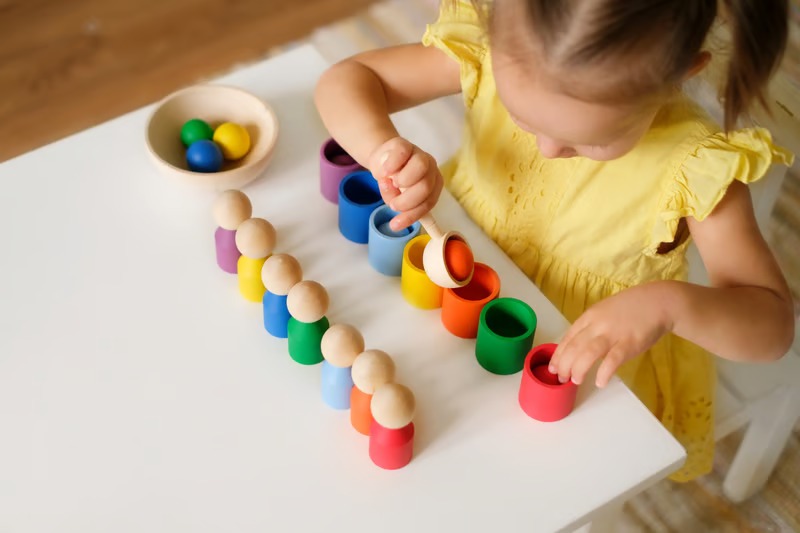
One defining feature of Montessori education is the use of specially designed learning materials. Children interact physically with objects that teach practical concepts like counting, sorting, problem-solving, and coordination. This hands-on process allows learning to feel natural rather than forced.
Mixed-age classrooms are also common in Montessori settings. Younger children observe older students, while older children reinforce their own understanding through mentorship and collaboration.
Many educators appreciate Montessori education because it encourages confidence, discipline, and self-motivation. Children often develop strong concentration skills and independence early in life.
However, Montessori learning may not suit every child equally. Some children prefer clearer instruction, stronger routines, or more social group interaction. Transitioning from highly independent classrooms into traditional academic systems can also be challenging for certain students.
The Waldorf Philosophy and Creative Learning
Waldorf education takes a very different approach. It focuses heavily on imagination, storytelling, creativity, rhythm, and emotional development during early childhood.
Instead of introducing academic pressure immediately, Waldorf classrooms emphasize play-based learning and sensory experiences. Teachers often delay formal reading instruction compared to traditional schools because the philosophy prioritizes emotional readiness over early academic acceleration.
Art, music, movement, storytelling, and nature-based activities play central roles in daily learning. Technology exposure is usually minimized during the early years because Waldorf educators believe young children benefit more from physical interaction and imaginative play.
The classroom environment itself reflects this philosophy. Waldorf spaces often use natural materials, warm colors, and open-ended toys designed to encourage creativity instead of structured outcomes.
Many parents are drawn to Waldorf education because it supports emotional intelligence, creativity, and social awareness. Children are often encouraged to express themselves freely and develop strong imaginative thinking.
However, critics sometimes argue that Waldorf systems place less emphasis on measurable academic progress during early childhood. Some families also worry about how smoothly children transition into conventional academic environments later.
Still, for children who thrive through creativity and emotional connection, Waldorf education can offer a highly supportive learning environment.
Traditional Early Learning Models
Traditional preschool and early education systems remain the most common educational approach globally. These classrooms usually follow teacher-led instruction, structured schedules, standardized curriculum goals, and measurable academic benchmarks.
Traditional education often introduces reading, writing, and mathematics earlier than Montessori or Waldorf systems. Teachers guide classroom activities directly, and students typically work on the same tasks simultaneously.
Routine plays a major role in traditional classrooms. Scheduled lessons, group activities, behavioral expectations, and structured transitions help create predictability throughout the school day.
This model works well for many children because it mirrors the structure of most primary and secondary schools. It can help students adjust more easily to academic expectations later.
Traditional systems also provide clear progress measurement. Parents can track literacy, math development, classroom participation, and social performance through assessments and evaluations.
However, traditional classrooms sometimes struggle to adapt to different learning speeds. Highly structured systems may feel restrictive for children who learn better through movement, creativity, or self-paced exploration.
In some cases, early academic pressure may also create stress for children who are not developmentally ready for formal instruction.
Comparing Learning Styles Across the Three Models
The biggest difference between these early learning models lies in how they view the role of the child during education.
Montessori encourages independence and self-direction. Waldorf emphasizes imagination and emotional development. Traditional systems focus on structured instruction and academic progression.
In Montessori classrooms, children often move freely between activities and manage their own learning pace. In Waldorf education, storytelling, artistic exploration, and creative play dominate the experience. Traditional classrooms usually prioritize teacher guidance and group learning.
Discipline also varies significantly. Montessori environments encourage internal discipline through responsibility and choice. Waldorf systems rely heavily on rhythm, imitation, and emotional connection. Traditional systems often use rules, routines, and external classroom management methods.
These differences affect how children build confidence, social skills, attention spans, and problem-solving abilities.
No single approach is universally superior. Effectiveness depends heavily on the child’s personality and developmental needs.
The Role of Teachers in Different Learning Models
Teachers function differently in each educational philosophy.
In Montessori settings, teachers act more as guides than lecturers. They observe children carefully and introduce learning materials when students show readiness or curiosity.
Waldorf educators often take on nurturing and emotionally supportive roles. Many Waldorf schools maintain teacher continuity over multiple years to strengthen emotional bonds and classroom trust.
Traditional teachers usually lead classroom instruction directly. They manage schedules, introduce lessons, assess performance, and maintain classroom structure consistently.
Each approach creates different classroom dynamics. Some children thrive with independence, while others perform better with stronger direction and clearer expectations.
The teacher’s personality and communication style often influence educational success as much as the educational model itself.
Classroom Environment and Educational Design
Physical classroom design plays a major role in child learning experiences.
Montessori classrooms are organized carefully to encourage independence. Materials are placed within easy reach so children can access learning tools without constant adult assistance.
Waldorf environments typically feel softer and more artistic. Natural lighting, wooden toys, open-ended play materials, and calm visual spaces support sensory development and creativity.
Traditional classrooms focus more on instructional organization. Desks, whiteboards, schedules, educational posters, and structured learning stations support group teaching and classroom management.
Technology use also differs significantly. Waldorf education generally limits technology during early childhood. Montessori schools vary depending on implementation, while traditional classrooms increasingly integrate digital tools into learning.
These environmental differences influence attention, behavior, emotional comfort, and learning engagement.
Academic Development and Long-Term Outcomes
One major concern for parents involves academic readiness.
Traditional systems often prioritize measurable academic progress earlier. Children may begin reading, writing, and mathematics instruction at younger ages.
Montessori education approaches academics differently by allowing children to develop skills through self-paced exploration and hands-on materials. Many Montessori students still perform strongly academically because curiosity-driven learning can improve engagement and retention.
Waldorf education delays certain academic expectations intentionally. Supporters argue this allows stronger emotional and creative development before formal academics intensify.
Research on long-term outcomes shows that successful educational experiences depend less on one perfect system and more on the quality of teaching, emotional support, parental involvement, and the child’s individual learning style.
Children develop differently, and educational success cannot always be measured through early academic acceleration alone.
Social and Emotional Development
Modern education increasingly recognizes the importance of emotional intelligence and social development.
Montessori classrooms often strengthen independence, focus, and self-management skills. Waldorf environments strongly emphasize empathy, creativity, emotional expression, and interpersonal relationships. Traditional classrooms typically support teamwork, classroom cooperation, and structured social interaction.
These emotional skills matter significantly later in life. Communication, resilience, adaptability, and emotional regulation influence long-term academic and professional success as much as technical knowledge.
Parents sometimes focus heavily on academic performance while overlooking emotional development. However, confidence and emotional security often shape learning outcomes more deeply than early test scores.
Choosing the Right Early Learning Model
Choosing between Montessori, Waldorf, and traditional education requires realistic evaluation rather than following trends.
Parents should consider their child’s personality carefully. Independent children may thrive in Montessori environments. Creative and emotionally expressive children may connect strongly with Waldorf learning. Children who prefer structure and routine may feel more comfortable in traditional classrooms.
Practical factors also matter. Location, affordability, teacher quality, class size, and long-term educational transitions all influence the overall experience.
Visiting classrooms often provides better insight than reading educational philosophy descriptions online. The emotional atmosphere, teacher interactions, and student behavior reveal far more about educational quality than marketing materials alone.
No learning model guarantees perfect outcomes. Strong parenting, emotional support, and active involvement remain critical regardless of school choice.
FAQs
What are the main differences between Montessori and Waldorf education?
Montessori focuses on independence and hands-on learning, while Waldorf emphasizes creativity, storytelling, emotional growth, and imaginative play during early childhood development.
Which early learning model is best for academic preparation?
Traditional education often introduces academics earlier, but Montessori students also perform well academically through self-paced learning and practical educational activities.
Are Montessori schools better for independent children?
Yes, Montessori environments often suit children who enjoy self-directed activities, problem-solving, and learning independently within a structured classroom setting.
Why do Waldorf schools limit technology exposure?
Waldorf education believes young children benefit more from creativity, physical interaction, sensory exploration, and imaginative play than from early digital screen exposure.
Can children transition easily between different learning models?
Transitions vary by child. Emotional adaptability, teaching support, and family involvement usually influence how smoothly children adjust to new educational environments.