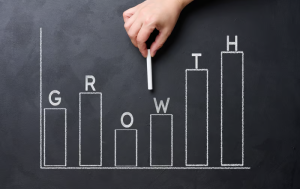

Education has changed significantly over the last decade. Modern classrooms are no longer focused only on memorization, final exams, and standardized test scores. Today, educators are paying closer attention to academic growth, which refers to the measurable improvement students make over time in knowledge, skills, understanding, and learning behavior. Instead of simply asking whether a student passed or failed, teachers now examine how much progress the student has made from their starting point.
The idea of academic growth recognizes that every student learns differently. Some students improve rapidly in reading but struggle in mathematics. Others develop confidence slowly yet demonstrate major long-term improvement through consistent effort. Modern education systems increasingly value progress, critical thinking, creativity, problem-solving, and emotional development alongside traditional academic achievement.
Meaningful academic growth is not only about higher grades. It also reflects stronger comprehension, improved communication skills, greater classroom participation, and the ability to apply knowledge in real-life situations. Educators today understand that genuine learning happens gradually and requires continuous observation rather than one-time evaluation methods.
Why Traditional Grading Alone No Longer Tells the Full Story
The Limits of Test Scores in Modern Education
For many years, schools relied heavily on exams and report cards to evaluate student success. While standardized tests still play an important role, educators now recognize their limitations when measuring true academic growth. Test scores often capture only a small snapshot of student performance at a particular moment. They may not fully reflect creativity, effort, improvement, or deeper understanding.
A student who improves from struggling significantly to performing moderately well may show remarkable academic growth even if their final score is not the highest in the class. Traditional grading systems sometimes fail to recognize this progress because they emphasize comparison instead of development. This has encouraged schools to adopt more balanced assessment methods that track individual improvement over time.
Another challenge with relying solely on test scores is that external factors can influence performance. Stress, anxiety, personal challenges, or learning differences may affect how students perform during exams. Educators increasingly understand that academic progress should consider broader learning patterns rather than isolated test results alone.
Why Personal Improvement Matters More Than Comparison
Modern education focuses more strongly on individual learning journeys. Teachers now emphasize growth compared to a student’s previous performance rather than comparing students against one another constantly. This shift helps create healthier learning environments where students feel encouraged instead of discouraged.
When students are judged only by class rankings or grades, many lose confidence if they struggle academically. However, recognizing personal improvement helps students build motivation and resilience. A child who becomes more confident in writing, improves reading fluency, or participates more actively in discussions is experiencing valuable academic growth even if progress happens gradually.
Educators also understand that learning speed differs naturally among students. Some learners require additional support, while others advance quickly in certain subjects. Measuring personal progress allows teachers to provide more targeted instruction and realistic expectations for each student’s needs.
How Teachers Identify Meaningful Learning Progress
Teachers measure academic growth using a combination of observation, assignments, classroom participation, projects, assessments, and student behavior. Modern educators pay attention not only to what students know but also to how they think, communicate, and apply information in different situations.
One important indicator of academic growth is increased independence. Students who begin managing tasks confidently, asking thoughtful questions, and solving problems with less assistance demonstrate meaningful learning progress. Teachers also observe improvements in organization, time management, collaboration, and critical thinking skills.
Writing development provides another clear example of academic growth. A student’s early writing may contain weak structure and limited vocabulary, while later work may demonstrate stronger arguments, better organization, and deeper analysis. These gradual improvements help teachers understand how learning evolves over time.
Classroom discussions also reveal growth patterns. Students who become more engaged, confident, and analytical during conversations often show intellectual development beyond what exams alone can measure. Teachers increasingly value these forms of participation because they reflect deeper understanding and communication ability.
The Role of Personalized Learning in Academic Growth
Adapting Instruction to Different Learning Styles
Modern classrooms include students with diverse abilities, backgrounds, personalities, and learning preferences. Personalized learning has become an important strategy for supporting academic growth because it allows teachers to adjust instruction based on individual needs. Some students learn best through visual demonstrations, while others respond more effectively to discussion, hands-on activities, or independent practice.
Educators use flexible teaching methods to help students absorb information in ways that match their strengths. Personalized instruction often increases engagement because students feel understood rather than pressured into a single learning model. When lessons become more accessible, students are more likely to improve academically and emotionally.
Technology has also expanded opportunities for personalized education. Digital learning platforms can track student progress, identify weaknesses, and recommend targeted activities based on individual performance. These tools help educators provide more accurate support while allowing students to learn at a comfortable pace.
Setting Individual Learning Goals for Students
Goal setting plays an essential role in measuring academic growth. Many educators encourage students to create realistic academic targets that focus on improvement rather than perfection. These goals may involve reading comprehension, writing structure, classroom participation, or time management skills.
Setting clear learning goals helps students become more aware of their progress. Teachers can then monitor growth more effectively by comparing current performance to earlier benchmarks. This process encourages accountability while helping students understand that improvement happens through consistent effort over time.
Individual goals also support motivation. Students often feel more encouraged when they recognize their own progress instead of constantly comparing themselves to classmates. Personalized targets create a stronger sense of achievement and ownership in the learning process.
Classroom Assessments That Help Measure Academic Growth
Modern educators use multiple forms of assessment to understand student progress more accurately. Instead of relying only on final exams, teachers now incorporate quizzes, presentations, essays, collaborative projects, journals, classroom participation, and performance-based activities into their evaluation methods.
Formative assessments have become especially important in measuring academic growth. These smaller evaluations occur throughout the learning process and help teachers identify areas where students need additional support. Unlike traditional high-pressure exams, formative assessments provide ongoing feedback that guides improvement.
Project-based learning is another valuable assessment approach because it measures how students apply knowledge in practical situations. Research projects, presentations, experiments, and group activities often reveal critical thinking skills, creativity, communication ability, and collaboration strengths that standard tests may overlook.
Portfolios are also increasingly used in modern classrooms. A portfolio collects student work over time, allowing teachers and students to observe gradual improvement in writing, analysis, creativity, or technical skills. This long-term perspective provides a clearer understanding of academic growth than isolated test scores alone.
Technology and Data Tracking in Modern Education
How Digital Tools Help Monitor Student Performance
Technology has transformed how educators measure academic growth. Learning management systems, educational apps, and online assessment platforms now help teachers collect detailed information about student progress. These digital tools track assignment completion, quiz performance, reading levels, participation rates, and learning patterns over time.
Teachers can analyze this data to identify trends and intervene early when students struggle academically. Real-time tracking also allows educators to personalize instruction more effectively. For example, if a student consistently struggles with reading comprehension, digital tools may recommend targeted exercises or additional practice opportunities.
Technology also improves communication between teachers, students, and parents. Progress reports, assignment feedback, and performance updates can be shared more quickly, creating stronger support systems for student learning.
Balancing Data With Human Observation
Although educational data provides valuable insights, experienced educators understand that numbers alone cannot fully measure academic growth. Human observation remains essential in understanding student behavior, emotional well-being, creativity, and classroom engagement.
A student may demonstrate strong improvement in confidence, participation, or leadership even if test performance develops more slowly. Teachers often notice subtle progress that digital systems cannot capture completely. This balance between data analysis and professional judgment creates a more accurate understanding of student development.
Modern classrooms function most effectively when educators combine measurable academic data with emotional awareness, personal observation, and relationship-building. Students are more than statistics, and meaningful growth often appears in ways that standardized metrics cannot fully measure.
Emotional Development and Its Connection to Learning
Academic growth is closely connected to emotional development. Students learn more effectively when they feel supported, respected, and emotionally secure in the classroom environment. Confidence, motivation, resilience, and self-esteem all influence academic performance significantly.
Students who fear failure often avoid participation or hesitate to take intellectual risks. Modern educators therefore focus on creating positive learning environments where mistakes are viewed as opportunities for growth rather than signs of weakness. This mindset encourages curiosity and persistence.
Social-emotional learning programs have become increasingly important in schools because emotional skills directly affect academic outcomes. Students who develop emotional regulation, communication ability, and stress management skills often perform better academically over time. Educators now recognize that emotional health and intellectual growth are deeply connected.
How Feedback Shapes Long-Term Student Improvement
Constructive Feedback Versus Simple Grading
One of the most powerful tools for supporting academic growth is meaningful feedback. Traditional grading systems often provide limited information beyond a score or letter grade. Constructive feedback, however, explains strengths, identifies weaknesses, and offers guidance for improvement.
Effective feedback helps students understand how to improve rather than simply telling them whether they succeeded or failed. Detailed comments encourage reflection, revision, and deeper learning. Students benefit most when feedback focuses on progress, strategy, and effort instead of criticism alone.
Teachers who provide supportive feedback often help students develop stronger motivation and confidence. Positive reinforcement combined with practical guidance creates a healthier learning experience that encourages long-term improvement.
Encouraging Student Reflection and Self-Assessment
Modern education increasingly encourages students to evaluate their own learning progress. Self-assessment helps students recognize strengths, identify weaknesses, and develop greater responsibility for their academic performance.
Reflection activities may include learning journals, goal reviews, or classroom discussions about personal challenges and achievements. These practices strengthen self-awareness and critical thinking while helping students become more independent learners.
Students who regularly reflect on their progress often develop stronger problem-solving skills and greater resilience. They learn to view setbacks as temporary obstacles rather than permanent failures. This mindset plays a major role in long-term academic growth.
Challenges Educators Face When Measuring Growth
Despite advances in educational assessment, measuring academic growth remains challenging. Students develop at different rates, and progress is not always linear. Some students show rapid improvement in one subject while struggling in another. Others may experience temporary setbacks due to personal or emotional difficulties.
Large class sizes can also make individualized assessment difficult for teachers. Monitoring every student’s growth carefully requires time, attention, and resources that are not always available. Standardized testing requirements may further limit flexibility in some education systems.
Another challenge involves balancing academic expectations with emotional well-being. Excessive pressure can reduce motivation and increase anxiety among students. Educators must therefore create assessment methods that encourage growth without overwhelming learners emotionally.
The Importance of Parent and Teacher Collaboration
Strong communication between parents and teachers greatly supports academic growth. Parents provide valuable insight into a child’s behavior, motivation, and learning habits outside the classroom, while teachers observe academic performance and classroom interaction.
Collaborative relationships help identify learning challenges early and create consistent support strategies. When parents understand classroom goals and teachers understand home environments, students often receive stronger emotional and academic guidance.
Modern schools increasingly encourage regular communication through meetings, progress reports, digital platforms, and parent involvement programs. These partnerships create more stable support systems that contribute positively to student development.
Expert Advice for Supporting Academic Growth in Schools
Educational experts emphasize the importance of creating classrooms that value curiosity, persistence, and continuous improvement. Students perform best when they feel emotionally safe, intellectually challenged, and personally supported by educators.
Experts also recommend focusing on long-term learning rather than short-term memorization. Deep understanding, critical thinking, and problem-solving skills often matter more than temporary test performance. Teachers should therefore encourage discussion, creativity, collaboration, and independent thinking within the classroom environment.
Another important recommendation involves recognizing individual strengths. Students learn differently, and educators who adapt instruction to various learning styles often achieve stronger academic outcomes. Flexibility and patience remain essential qualities in modern teaching practices.
Experts further encourage schools to prioritize emotional wellness alongside academic achievement. Mental health support, positive classroom culture, and healthy teacher-student relationships all contribute significantly to meaningful academic growth.
The Future of Student Assessment and Classroom Progress
The future of education will likely continue moving toward personalized learning and holistic assessment methods. Schools are increasingly recognizing that meaningful academic growth involves more than exam scores alone. Future classrooms may place even greater emphasis on creativity, adaptability, communication skills, and emotional intelligence.
Technology will probably continue transforming educational assessment through artificial intelligence, adaptive learning systems, and real-time progress tracking. However, human connection and teacher observation will remain essential parts of effective education.
Modern educators are gradually building systems that recognize effort, resilience, improvement, and individuality. This broader understanding of academic growth creates more inclusive learning environments where students are encouraged to progress at their own pace while developing confidence and lifelong learning habits.
Final Thoughts on Academic Growth
Academic growth represents one of the most important goals in modern education. Meaningful progress involves much more than grades or standardized test scores. It includes intellectual development, emotional resilience, communication skills, confidence, and the ability to apply knowledge effectively in real-world situations.
Modern educators understand that every student follows a unique learning path. Measuring growth therefore requires a combination of observation, personalized assessment, constructive feedback, emotional support, and long-term evaluation. The most successful classrooms focus not only on performance but also on continuous improvement and individual potential.
As education continues evolving, the focus on academic growth will likely become even stronger. Schools that prioritize meaningful progress over simple comparison help students become more capable, motivated, and prepared for future challenges both inside and outside the classroom.
FAQs
What does academic growth mean in education?
Academic growth refers to the measurable improvement students make in knowledge, skills, understanding, and learning behavior over time. It focuses on progress from a student’s starting point rather than only final grades or test scores.
Why are standardized tests not enough to measure academic growth?
Standardized tests measure performance at a specific moment but may not fully reflect creativity, effort, critical thinking, emotional development, or long-term improvement. Modern educators therefore use multiple assessment methods to evaluate student progress more accurately.
How can teachers encourage stronger academic growth in students?
Teachers can support academic growth by providing personalized instruction, constructive feedback, emotional support, clear learning goals, and engaging classroom environments. Encouraging reflection, critical thinking, and consistent improvement also helps students develop stronger learning habits over time.